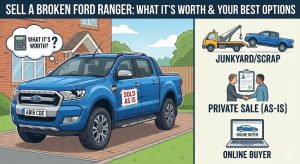
The Ford Ranger is one of the best-selling pick-up trucks in the UK, and one of the reasons for its popularity is that it holds its value remarkably well. But depreciation still affects every Ranger, and understanding how and when your truck loses value can help you make better decisions about when to sell. This guide breaks down Ford Ranger depreciation rates, which models hold their value best, and how to get the most money when you decide to sell.
Why Ford Rangers Hold Their Value
Before looking at the numbers, it is worth understanding why the Ford Ranger depreciates more slowly than most vehicles. Several factors work in its favour:
- Commercial demand – Rangers are used extensively by tradespeople, farmers, and businesses across the UK. This creates consistent demand in the used market that supports prices.
- Limited UK supply – Ford produces the Ranger in fewer numbers than mainstream cars, which means the used market is never flooded with stock.
- Versatility – The Ranger works as a daily driver, a work vehicle, a tow car, and a lifestyle truck. This broad appeal means a larger pool of potential buyers when you come to sell.
- Durability – Rangers are built to withstand heavy use. Buyers are confident purchasing high-mileage examples because the mechanical components are designed to last.
- Tax benefits – As a commercial vehicle, the Ranger qualifies for lower benefit-in-kind tax rates, making it attractive to company car drivers and self-employed individuals looking for a tax-efficient vehicle.
Ford Ranger Depreciation by Age
While every vehicle is different, the following gives a reasonable picture of how Ford Ranger values typically fall in the UK market:
Year One: 15 to 20 Per Cent
The biggest single drop in value happens in the first year of ownership. A brand-new Ranger driven off the forecourt will typically lose 15 to 20 per cent of its value in the first twelve months. This is consistent with most new vehicles, though it is worth noting that Rangers tend to sit at the lower end of this range compared to equivalent SUVs and cars.
Years Two to Three: 10 to 15 Per Cent Per Year
Depreciation slows in years two and three, with values typically falling by 10 to 15 per cent each year. By the end of year three, a Ranger will have lost roughly 35 to 45 per cent of its original purchase price. This is where leasing and PCP deals typically end, and the influx of returned vehicles into the used market can temporarily affect prices.
Years Four to Five: 8 to 10 Per Cent Per Year
From year four onwards, depreciation slows further. The truck is now firmly in the used market and its value is driven more by condition, mileage, and specification than by age alone. A well-maintained five-year-old Ranger will typically retain 40 to 50 per cent of its new price.
Beyond Five Years
Older Rangers continue to hold their value well relative to other vehicles. The commercial demand for reliable used pick-ups means that even Rangers with 100,000 miles or more on the clock can command respectable prices, provided they have been properly maintained. Depreciation at this stage is typically 5 to 8 per cent per year.
Which Models Hold Their Value Best?
Best Value Retention
- Ranger Raptor – The Raptor consistently holds its value better than any other Ranger variant. Limited production numbers, strong enthusiast demand, and a unique specification make it highly sought after in the used market. Some early Raptors have even appreciated in value.
- Wildtrak – The Wildtrak is the most popular lifestyle spec and benefits from strong demand. Well-equipped examples with low mileage retain their value exceptionally well.
- Ranger MS-RT – The limited-edition MS-RT models hold value well due to their exclusivity and distinctive appearance.
Worst Value Retention
- XL Base – The basic work-spec Ranger loses value faster than higher-trim models. Buyers in the used market are typically willing to pay a premium for better-equipped trucks, which compresses the resale value of base models.
- XLT – While the XLT is a solid mid-range spec, it sits in an awkward position where used buyers often prefer to stretch to a Wildtrak or save money with an XL. This can make XLT models slightly harder to sell at strong prices.
Factors That Affect Your Ranger’s Resale Value
Mileage
Mileage is one of the most significant factors in determining a Ranger’s value. The market expects pick-ups to cover higher mileages than cars, so 15,000 to 20,000 miles per year is considered normal. Trucks with significantly lower mileage will command a premium, while those above 100,000 miles will see values drop more sharply.
Service History
A complete, stamped service history is essential for maintaining value. Ford main dealer stamps carry the most weight, but independent specialist stamps are also acceptable provided the correct parts and fluids were used. A Ranger with gaps in its service history will always be worth less than one with a complete record.
Colour
Colour matters more than many owners realise. In the UK market, black, grey, and white Rangers sell most quickly and command the best prices. Less common colours can be harder to sell, though some buyers specifically seek out unusual colours. Orange and red tend to be the least popular in the resale market.
Modifications
Tasteful, reversible modifications such as a quality hardtop, roller cover, or side steps can add value. However, aggressive modifications like lifted suspension, aftermarket exhausts, or engine remaps can actually reduce value by narrowing the pool of potential buyers and raising concerns about how the truck has been driven.
Wet Belt Service Record
For 2.0 EcoBlue Rangers (2019 onwards), whether the wet belt (timing belt) has been replaced is a significant value factor. This service is due at around 100,000 miles or 10 years and costs £800 to £1,200. A Ranger approaching this milestone without the service having been done will be worth considerably less than one where it has been completed. For more information, visit our Ford Ranger valuation page.
Mechanical Condition
Outstanding mechanical issues, particularly expensive ones like DPF problems, turbo failure, or gearbox faults, will significantly reduce your Ranger’s value. Even if you disclose these issues honestly, buyers will factor in the full retail repair cost when making an offer, often reducing their bid by more than the actual repair would cost.
Best Time to Sell Your Ford Ranger
Before Major Service Milestones
Selling before an expensive scheduled service, such as the wet belt replacement, means you avoid the outlay while the truck still commands a strong price. Buyers who are equipped to do the work themselves or who get trade rates on parts will be less concerned by the upcoming service.
Plate Change Months: March and September
The UK plate change months of March and September create a spike in demand for used vehicles as buyers look for alternatives to new. Listing your Ranger in February or August, ready for the plate change rush, can help you achieve a stronger price.
Spring and Summer
Pick-up trucks tend to sell better in spring and summer when buyers are thinking about outdoor activities, towing boats and caravans, and lifestyle use. The winter months can be slightly softer for lifestyle-spec Rangers, though commercial demand remains steady year-round.
Before Problems Develop
If your Ranger is reaching the age or mileage where expensive problems become more likely, selling proactively can save you money. A truck sold in good working order will always fetch more than one with a known fault, even after accounting for the cost of repairs.
Find Out What Your Ranger Is Worth Today
Understanding depreciation is useful, but every Ranger is different. The best way to find out exactly what your truck is worth is to get a specific valuation based on its age, mileage, condition, and specification.
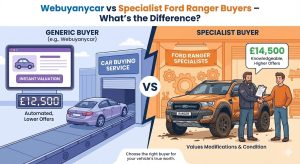
At RangerBuyer, we specialise exclusively in Ford Rangers. We understand the market better than general car buyers, and our valuations reflect genuine market prices rather than low trade offers. Get a free, no-obligation quote and find out what your Ranger is worth today.
You can also visit our Ford Ranger valuation page for more information about how we value Rangers, or our sell your Ford Ranger page to learn more about the process.
Looking to sell your Ford Ranger? We buy all models including those with wet belt failure, non-runners, and other mechanical issues. Get a free, no-obligation quote when you sell your Ford Ranger to us. We offer free collection across London, Surrey, Sussex and the rest of the UK.

Written by
Expert contributor at Ranger Buyer.